
Handicap betting has remained one of the most enduring and widely used forms of wagering in the sports betting world. While betting markets continue to evolve with new features, faster live odds, and innovative bet types, handicaps consistently attract both casual players and seasoned bettors. The reason is simple: handicap betting balances competition, improves value, and rewards analytical thinking. These qualities ensure its continued popularity across sports, regions, and experience levels.


4
Creating Balance in Uneven Matchups
One of the biggest reasons handicap betting stays popular is its ability to level the playing field. In many sporting events—especially football, basketball, and American football—matches are often uneven. A strong favorite facing a weaker opponent may result in predictable outcomes when betting on straight wins.
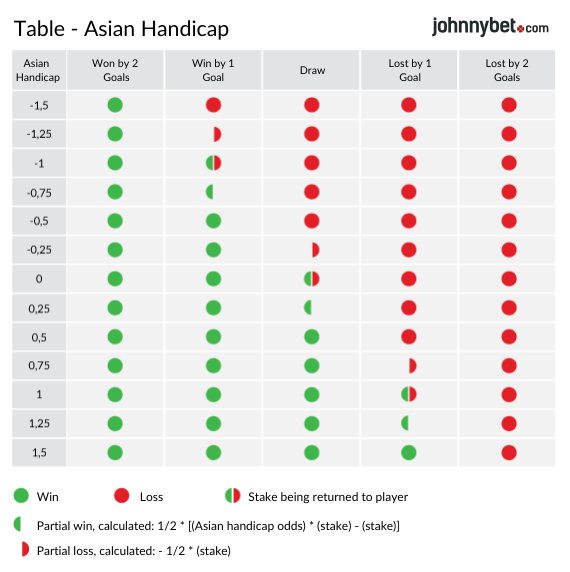
Handicap betting solves this problem by adjusting the score before the match begins. The stronger team may start with a negative handicap, while the underdog receives a positive one. This creates a more balanced contest from a betting perspective, forcing bettors to think beyond simply picking the expected winner. The added balance makes games more interesting and encourages deeper engagement with the event.
Better Odds and Improved Value
Traditional betting markets often offer low odds on favorites and high risk on underdogs. Handicap betting changes that equation by offering more competitive odds across both sides of a matchup. Because the handicap adjusts expectations, both outcomes can provide appealing returns.
This balance attracts bettors who are focused on value rather than just outcomes. Instead of asking “Who will win?”, handicap betting encourages the question “By how much?” or “Can this underdog stay competitive?” This mindset aligns well with long-term betting strategies, where finding value is more important than chasing quick wins.
Appeals to Analytical Bettors
Handicap betting rewards research and analysis, which is a major reason it continues to thrive among experienced players. Bettors must consider multiple factors, such as team form, injuries, tactics, scheduling, and even motivation. A favorite might win comfortably in one situation but struggle to cover a handicap in another.
This complexity appeals to bettors who enjoy studying statistics, trends, and match context. Rather than relying on luck, handicap betting allows players to apply knowledge and logic. Over time, this creates a sense of skill-based engagement that keeps bettors returning to this market.
Works Across Multiple Sports
Another reason handicap betting remains popular is its versatility. While it is most commonly associated with football, handicap betting is widely used in basketball, tennis, rugby, and American football. Each sport adapts the concept to its scoring system, making handicaps a flexible and universal betting format.
In basketball, point spreads are essential because games often involve large score differences. In tennis, game and set handicaps help balance mismatches between top-ranked players and lower-ranked opponents. This adaptability ensures handicap betting stays relevant no matter which sport dominates the betting landscape.
Reduces the Impact of Draws
In sports where draws are possible, handicap betting can simplify decision-making. Certain handicap formats remove the draw entirely, resulting in only two possible outcomes. This reduction in complexity appeals to bettors who prefer clearer choices and faster decisions.
By minimizing ambiguous results, handicap betting helps players feel more confident in their selections. This clarity is especially valuable for live betting, where quick decisions are often required while matches are in progress.
Encourages Disciplined Betting Habits
Because handicap betting requires more thought and preparation, it often promotes disciplined betting behavior. Players who engage with handicaps tend to plan their bets more carefully, set clear expectations, and manage their bankroll with greater awareness.
This structure aligns well with responsible gambling principles. Instead of impulsive bets based on emotions or team loyalty, handicap betting encourages logic and consistency. Over time, this approach can lead to a more controlled and sustainable betting experience.
Popular in Both Pre-Match and Live Betting
Handicap betting has successfully transitioned into live betting environments. As matches unfold, handicap lines adjust in real time, reflecting momentum shifts, goals, injuries, or tactical changes. This dynamic nature keeps bettors engaged throughout the game.
Live handicap betting allows players to react to what they see rather than relying solely on pre-match predictions. This flexibility has helped handicap markets stay relevant in an era where real-time interaction is increasingly important.
A Familiar Yet Evolving Concept
Finally, handicap betting stays popular because it strikes a balance between familiarity and innovation. The core idea has existed for decades, making it easy for bettors to understand. At the same time, variations such as different handicap levels and formats keep the market fresh.
As betting platforms continue to improve user experience and data access, handicap betting evolves alongside them without losing its original appeal. This combination of tradition and adaptability ensures it remains a cornerstone of sports betting.
Conclusion
Handicap betting’s lasting popularity comes from its ability to balance matches, improve value, reward analysis, and adapt across sports and betting styles. It challenges bettors to think deeper while offering fairer odds and more engaging experiences. In a constantly changing betting landscape, handicap betting remains popular because it delivers exactly what many players want: strategy, fairness, and long-term appeal.
Leave a Reply