
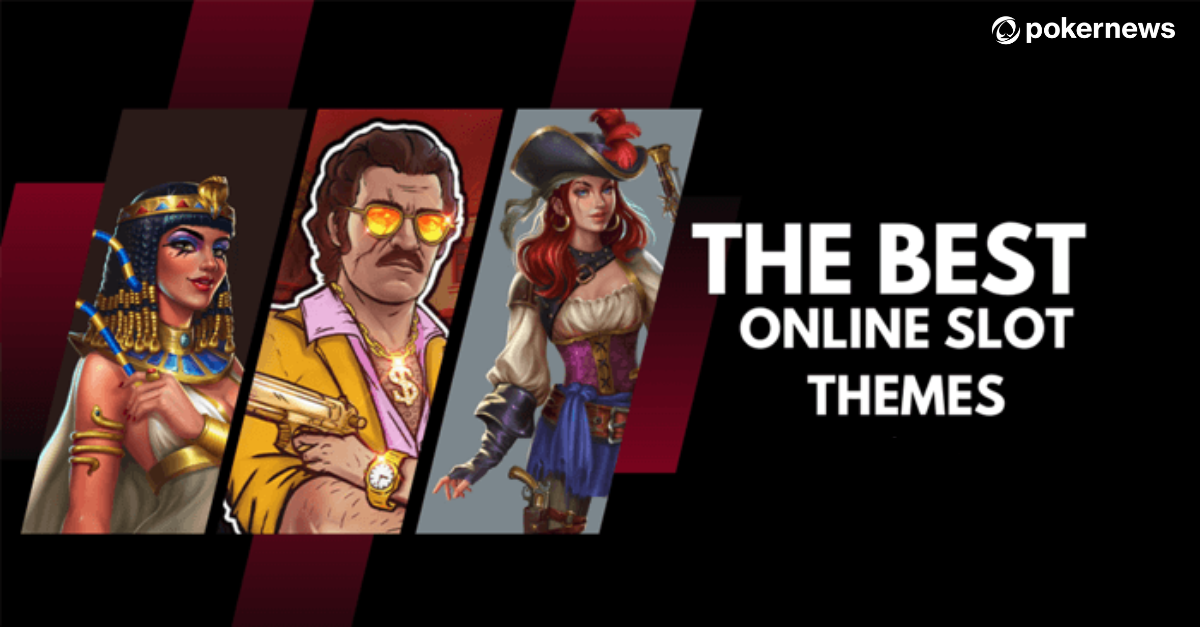
Slot games are often viewed as simple forms of entertainment driven by chance, but beneath the surface lies a carefully designed psychological experience. One of the most powerful tools in shaping that experience is slot theme design. From ancient civilizations and fantasy worlds to cheerful cartoons and luxurious lifestyles, slot themes play a major role in influencing a player’s mood, emotions, and engagement level. Understanding how themes affect player psychology helps explain why certain slot games remain popular for years while others fade quickly.


5
The Emotional Power of Visual Storytelling
Humans naturally respond to stories and visual cues. Slot themes act as a form of visual storytelling, instantly setting the emotional tone before the first spin even begins. A fantasy-themed slot featuring dragons, magic, and heroic music can spark excitement and curiosity, while a tropical beach theme may create a calm and relaxing atmosphere. These emotional responses are not accidental—they are intentionally designed to influence how players feel while playing.
When a theme resonates with a player’s personal interests or imagination, it creates a stronger emotional connection. This connection increases immersion, making the game feel more engaging and enjoyable regardless of the outcome of each spin.
Color Psychology and Mood Regulation
Color plays a crucial role in shaping emotional reactions. Bright colors such as red, gold, and orange are commonly used in high-energy slots because they stimulate excitement and urgency. These colors can raise adrenaline levels and encourage longer play sessions. On the other hand, cool tones like blue, green, and purple often appear in relaxing or mystical themes, promoting calmness and focus.
Slot developers carefully balance color schemes to avoid visual fatigue while maintaining emotional impact. A well-designed theme uses color to subtly regulate mood, keeping players comfortable and engaged without overwhelming them.
Nostalgia and Emotional Comfort
Many slot themes rely on nostalgia to create positive emotional responses. Retro fruit machines, classic arcade-style visuals, or themes inspired by old cartoons and pop culture can trigger memories associated with comfort and happiness. Nostalgia-based themes often reduce stress and increase enjoyment, making players feel emotionally safe and familiar with the game environment.
This sense of familiarity can also boost confidence. When players feel comfortable, they are more likely to enjoy the experience and perceive the game as entertaining rather than intimidating.
Fantasy and Escapism
One of the strongest emotional drivers in slot gaming is escapism. Fantasy, mythology, and adventure-themed slots allow players to temporarily step away from real-world stress and responsibilities. These themes promote imagination and exploration, helping players relax mentally while remaining emotionally stimulated.
Escapist themes are particularly effective during longer sessions because they reduce boredom. When players feel transported into a different world, the experience becomes less about time and more about immersion, positively influencing overall mood.
Humor and Lighthearted Play
Cartoon and humorous slot themes are designed to evoke joy and amusement. Exaggerated characters, playful animations, and funny sound effects reduce tension and promote a relaxed mindset. These themes are especially appealing to casual players who prioritize entertainment over intensity.
Humor also softens the emotional impact of losses. When a game feels lighthearted, players are less likely to experience frustration, allowing them to maintain a positive mood even during unlucky streaks.
Luxury and Aspiration Themes
Some slots focus on luxury lifestyles, featuring symbols like diamonds, yachts, sports cars, and elite destinations. These themes stimulate feelings of aspiration, confidence, and exclusivity. Players may feel empowered or motivated while engaging with these games, as the theme represents success and reward.
This emotional framing can enhance satisfaction, especially when combined with high-quality animations and sound design that reinforce the feeling of prestige.
Sound Design and Mood Enhancement
Themes are not limited to visuals alone. Background music and sound effects play a critical role in emotional influence. Upbeat music can energize players, while slower, atmospheric tracks create calm or suspense. When audio elements align perfectly with the theme, they strengthen emotional immersion and mood consistency.
A mismatch between visuals and sound can break immersion, while harmony between the two enhances emotional stability and enjoyment.
Long-Term Engagement and Emotional Balance
Successful slot themes strike a balance between stimulation and comfort. Overly intense designs may lead to fatigue, while overly simple themes can cause boredom. Developers aim to create emotional rhythms—moments of excitement balanced with relaxation—to keep players emotionally engaged over time.
This balance supports responsible enjoyment by maintaining positive emotions without overwhelming players.
Conclusion
Slot themes are far more than decorative elements; they are psychological tools that shape how players feel, think, and engage with a game. Through color, storytelling, nostalgia, fantasy, humor, and sound design, themes influence mood in powerful and lasting ways. A well-crafted slot theme enhances enjoyment, supports emotional balance, and transforms simple spins into immersive experiences. As slot design continues to evolve, understanding the emotional impact of themes will remain central to creating games that players genuinely enjoy.
Leave a Reply